Caffeine-Free Drinks for Young Children
Caffeine exposure in childhood brings measurable risks. Even modest doses can raise heart rate, increase anxiety, and disrupt sleep cycles that support learning and growth. The American Academy of Pediatrics advises limiting caffeine for adolescents and discourages use in younger children, citing effects on sleep, behavior, and cardiovascular response. Smaller bodies metabolize caffeine differently: a single 50 mg dose yields higher milligram-per-kilogram exposure in a 20 kg child than in a 70 kg adult. That higher relative dose explains why sensitivity to jitteriness, headaches, and appetite suppression is common among young children after consuming soda, iced tea, or chocolate beverages. Long-term patterns of frequent nighttime awakenings reduce daytime attention and can affect school performance. Choosing drinks that are both caffeine-free and low in added sugar helps protect sleep, behavior, and bone and dental health while supporting steady energy throughout the day.
Hydration needs by age
Fluid recommendations from the Institute of Medicine provide practical daily targets that include beverages and water contained in food. For toddlers aged 1–3 years, the target is about 1.3 liters per day (approximately 44 ounces). Children 4–8 years should aim for about 1.7 liters (57 ounces). Older children aged 9–13 years need roughly 2.1 liters for girls and 2.4 liters for boys. These figures are totals from food and fluid combined, so offering water regularly is important. Signs that fluid intake is too low include dark or infrequent urine, dry lips and mouth, decreased tears when crying, fatigue, and lightheadedness. Solid foods with high water content such as watermelon, cucumbers, oranges, and plain yogurt contribute meaningfully to daily hydration and can help reduce the need for sweet beverages.
Low-sugar and caffeine-free store-bought options
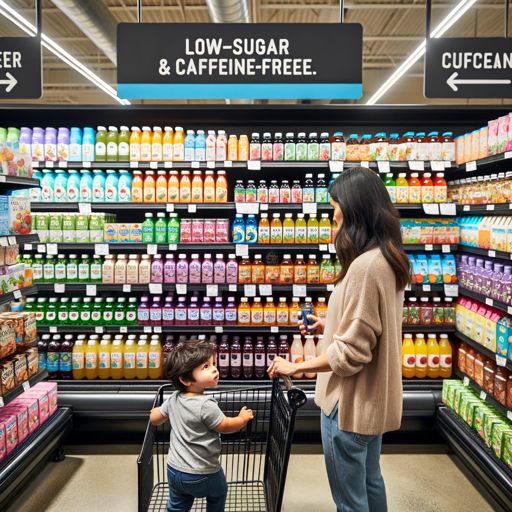
Shelf choices matter when convenience is needed. Organic herbal blends, fruit-infused waters, fortified milks, and prepared low-sugar beverages can provide safe alternatives to soda and energy drinks. When selecting, check sugar per serving and whether any caffeine appears in the ingredient list. Below is a practical comparison of common categories and typical nutrient ranges to compare at a glance. Text before and after this matrix explains safe selection and serving guidance.
| Drink option | Typical serving | Sugar (g) | Caffeine (mg) | Notes / recommended age |
|---|---|---|---|---|
| Organic rooibos herbal drink | 8 fl oz | 0–1 | 0 | Naturally caffeine-free, suitable from 6 months (cooled) when no added sweetener |
| Chamomile blend (unsweetened) | 6–8 fl oz | 0–2 | 0 | Use diluted for toddlers; watch for ragweed allergy cross-reactivity |
| Fruit-infused water (bottled) | 12 fl oz | 0–4 | 0 | Low-calorie option; many brands add minimal sugar |
| Sparkling water, natural flavor | 8–12 fl oz | 0 | 0 | Carbonation may be less tolerated by some toddlers; age 2+ typically fine |
| Chocolate milk (low-sugar) | 8 fl oz | 8–12 | 2–7 | Contains small caffeine from cocoa; limit serving for young children |
| Fortified non-dairy milk (unsweetened) | 8 fl oz | 0–2 | 0 | Check calcium and vitamin D amounts; good for dairy-free diets |
| Ready-to-drink low-sugar herbal iced tea | 8–12 fl oz | 2–6 | 0–5 (if decaf) | Choose certified organic when possible and check residual caffeine on label |
After reviewing options, prioritize beverages with explicit low sugar per serving and packaging that lists ingredient details. Avoid drinks with ingredient terms like “natural flavor” when sugar is not listed clearly, and be cautious with bottled beverages marketed to children that may contain more sugar than expected.
Herbal tea choices and safety
Chamomile, rooibos, and peppermint are commonly recommended for their mild flavors and calming qualities. Chamomile soothes and can help with sleep, but those with sensitivity to ragweed, daisies, or chrysanthemums can react to chamomile. Rooibos is naturally caffeine-free, low in tannins, and generally well tolerated. Peppermint can ease digestion but may worsen reflux in some children. Several herbs should be avoided in pediatric settings: comfrey, ephedra, kava, and any herb with strong pharmacological effects. Always check for known allergies and discuss regular use of herbal preparations with a pediatrician, especially for children on medication.
Homemade drink recipes for kids
Simple fruit-infused waters and low-sugar smoothies make hydration appealing without added sweeteners. A baseline recipe: combine 1 liter of chilled water with sliced cucumber, a handful of mint, and 1 small sliced orange. Infuse for one hour and serve cool. For smoothies, blend 1/2 banana, 1/2 cup plain yogurt, 1/2 cup mixed berries, and 1/2 cup milk or fortified non-dairy milk; this yields a nutrient-rich drink with minimal added sugar. Warm beverages such as lightly brewed chamomile diluted with an equal part of cooled water and served lukewarm are great for evening routines. Present drinks in colorful reusable bottles, fun cups with measurement markings, or with edible garnishes like fruit faces to encourage sipping.
Reading labels and ingredients
Claims such as “decaf,” “no caffeine,” and “caffeine-free” are not always equivalent. Decaffeinated beverages typically retain small residual caffeine. Products labeled “caffeine-free” usually contain no detectable caffeine, but the exact regulation varies. Nutrition Facts identify total sugars per serving, and the ingredient list shows added sugars under many names: sugar, cane juice, fruit juice concentrate, evaporated cane juice, and syrups. Organic and non-GMO certifications appear as third-party seals when present; these indicate sourcing and processing standards that matter for families prioritizing organic ingredients.
Serving sizes, frequency, and portion guidance
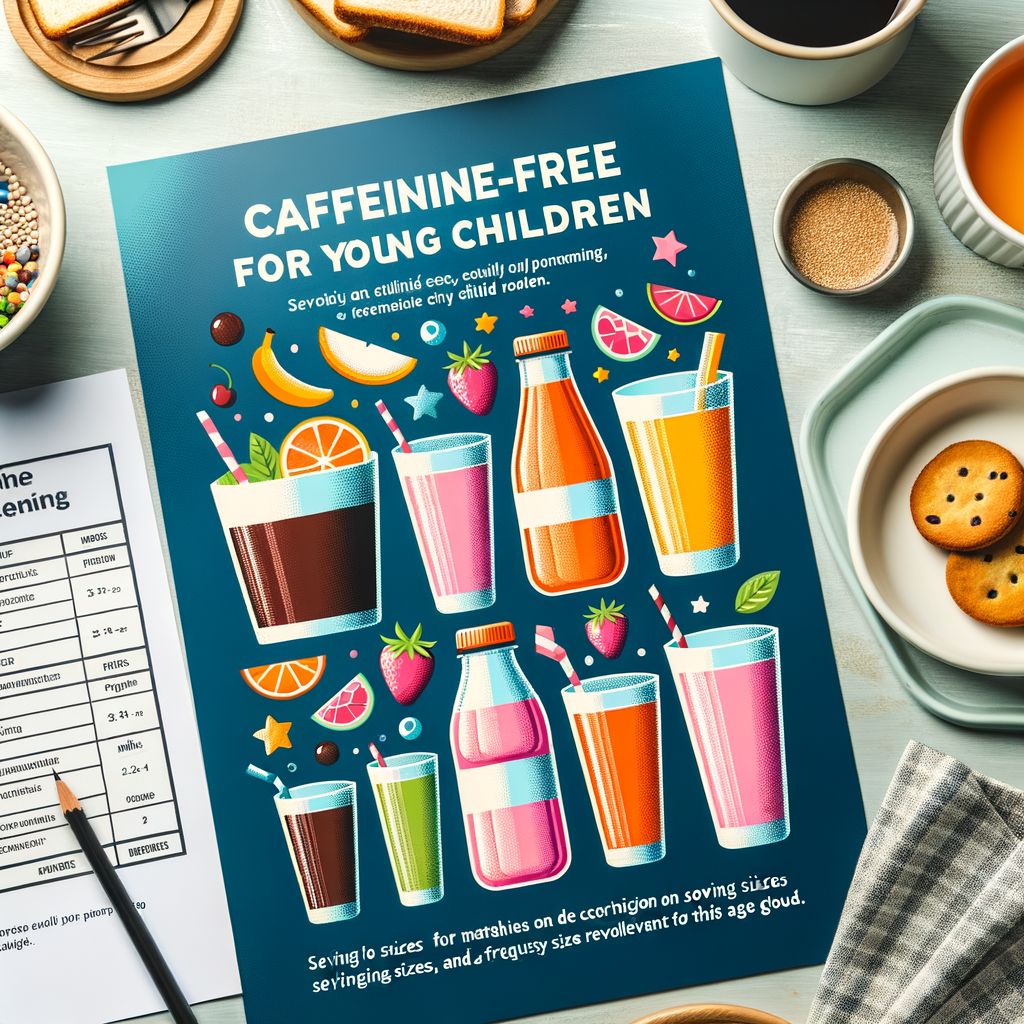
Appropriate portions depend on age. Toddlers often do well with 4–6 ounce servings spaced through the day. School-age children typically consume 8–12 ounces per serving. Limit fruit juice to a maximum of 4 ounces daily for children 1–3 years, and 4–6 ounces for ages 4–6, according to pediatric recommendations. During play or sports, provide small, frequent offers of fluid: older children may take 4–8 ounces every 20 minutes during vigorous activity. Emphasize water and caffeine-free drinks before and after exercise rather than during prolonged exertion in hot conditions, when electrolyte-containing options may be necessary under medical guidance.
Special considerations and transition strategies
Allergies, dietary restrictions, and medications change safe options. Children on chronic medication or with cardiac conditions should have beverage choices reviewed by a pediatrician. Transitioning from sugary or caffeinated drinks works best with gradual reduction of sweetness, flavor swaps to fruit-infused waters, and involving children in preparation. Taste training—reducing sugar over weeks while offering flavorful, low-sugar alternatives—helps reset palates. Sustainable packaging choices and reduced single-use plastics support environmental goals; choose refillable bottles and brands using recyclable materials whenever possible.
Spotlight and practical tips
Little Me Tea offers organic, low-sugar blends designed specifically for younger palates, with no added caffeine and child-friendly flavors. When selecting a brand, verify ingredient transparency, sugar content per serving, and age recommendations printed on packaging. Encourage regular hydration habits by packing measured, leakproof bottles for school and outings, labeling containers with portions, and communicating beverage policies with caregivers and childcare providers. For any medical questions or complex dietary needs, rely on pediatric guidance.
Frequently asked questions
What if a child accidentally consumes caffeine? Small accidental exposures often cause temporary restlessness or sleep difficulty; monitor symptoms and avoid further sources that day. When should a pediatrician be contacted? Seek medical advice if symptoms include persistent vomiting, irregular heartbeat, severe agitation, or if the child is on medication that interacts with caffeine or herbs. How to prevent hidden caffeine? Check chocolate content, tea varieties, and ingredient lists; when in doubt, choose products explicitly labeled as caffeine-free and low-sugar.